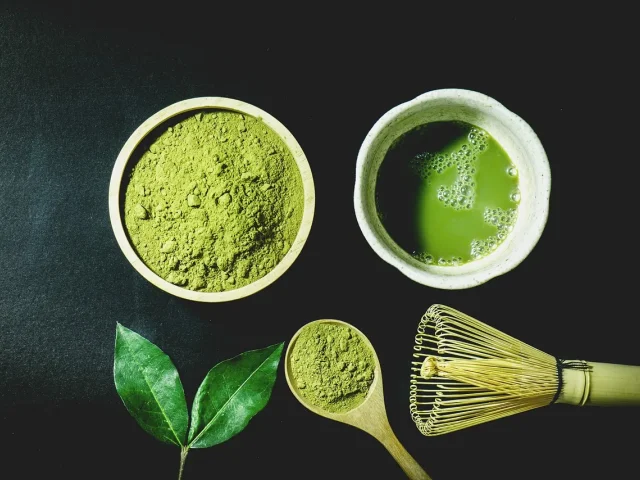
Japan picked more tea this spring, but matcha has not become cheaper. The raw material for matcha, called tencha, averaged ¥17,797 per kg at the Kyoto market as of 19 June 2026, according to figures compiled by Meguri. That compares with ¥14,144 in 2025 and ¥5,402 in 2024.
Kyoto's Uji market closed its spring season in late July at an average of ¥17,250 per kg for machine-harvested tencha, the highest since records began in 1996, on a record 595 tonnes. In Kagoshima the average was about ¥13,910, roughly 2.3 times the previous year.
Why a bigger harvest did not help
First-flush tea production in Japan's five main growing prefectures rose 21% to 24,100 tonnes. However, that figure covers all green tea, not just matcha, and national tencha numbers for 2026 were not yet published as of October.
Supply is also slow to respond. Tencha needs shading, special drying and stone milling, and new tea plantings take about five years to harvest. Meanwhile, some producers are turning sencha and gyokuro leaves into matcha, which reduces the supply of those teas.
Demand remains strong abroad. Japan's green tea exports rose 3.2% by volume between January and August 2026, while their value rose 77.3%. Powdered green tea averaged ¥9,971 per kg, up from ¥6,015 a year earlier.
What it means if you buy matcha
Well-known Japanese producers Ippodo and Yamamasa Koyamaen both issued price revision notices this year. Expect some shop prices to keep rising, and compare the price per gram rather than per tin. A cheap "matcha" may also be a sweetened mix, so check that the ingredients list only tea.
Both sources are matcha sellers, and these figures cover specific markets rather than national averages. Meguri cites Japan's agriculture ministry and the Kyoto Prefecture Tea Industry Council. We have not checked the original documents.