Açaí
A dark purple Amazonian palm fruit, usually sold as frozen pulp or powder.
Contains
None of the major allergens as an ingredient
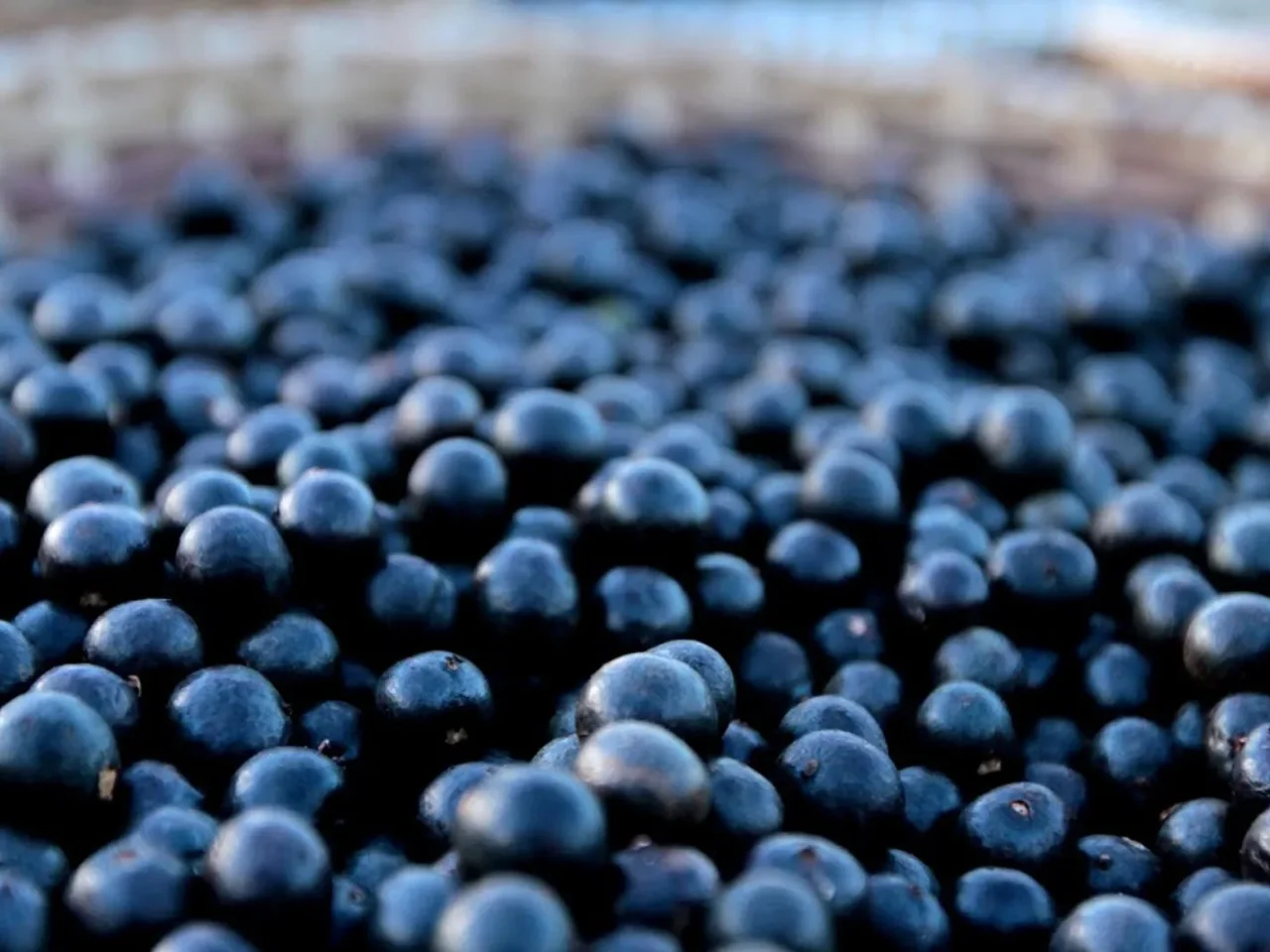
Açaí is the small, dark fruit of a palm grown in the Amazon. Outside Brazil you will mostly find it as frozen pulp or freeze-dried powder, because the fresh fruit spoils quickly.
Unsweetened pulp tastes earthy and slightly bitter, closer to unsweetened cocoa and tart berries than to the sweet bowls sold in cafés. It is also unusual for a fruit: it has more fat than carbohydrate and very little sugar.
What to look for
Read the ingredient list, because many açaí products are sweetened. Some packs contain only açaí and citric acid, while others add sugar, syrup, fruit juice or guarana. Some unsweetened purees also contain soy lecithin, which matters if you avoid soy.
What the research says
The evidence on cholesterol is weak so far. A 2025 review found no significant effect on cholesterol or triglycerides, and rated the certainty of its evidence as low to very low.
Calories and nutrition in açaí
| Nutrient | Per 100 g |
|---|---|
| Calories | 73 kcal |
| Protein | 2 g |
| Carbohydrates | 4.8 g |
| Fibre | 3 g |
| Fat | 6 g |
Label values for Acai Roots organic pulp in USDA FoodData Central. Other unsweetened pulps list about 60 to 90 kcal, so check your pack.
Recipes with açaí
Breakfast · Vegan · Gluten free · Dairy free
Unsweetened Açaí Bowl
News about açaí
Does Açaí Improve Cholesterol? A Review Finds Weak Evidence
About this page
General information only, not medical advice. If you have an allergy or a health condition, check with your doctor or dietitian.