Hojicha Caffeine: Brewed, Powdered and Next to Matcha
Hojicha is roasted Japanese green tea. Japan lists brewed hojicha at 20 mg of caffeine per 100 ml, the same as sencha, not the 8 mg a cup often quoted.
Camellia sinensis · Also called houjicha, hōjicha, ほうじ茶, roasted green tea, hojicha powder, hojicha latte
Suitable for
- Vegan: yes
- Vegetarian: yes
- Gluten-free: yes
- Dairy-free: yes
- Nut-free: yes
- Soy-free: yes
- Keto: yes
- Paleo: yes
- Low FODMAP: it depends
Contains
None of the major allergens as an ingredient · Not caffeine-free. A strong mug can match a bowl of matcha.
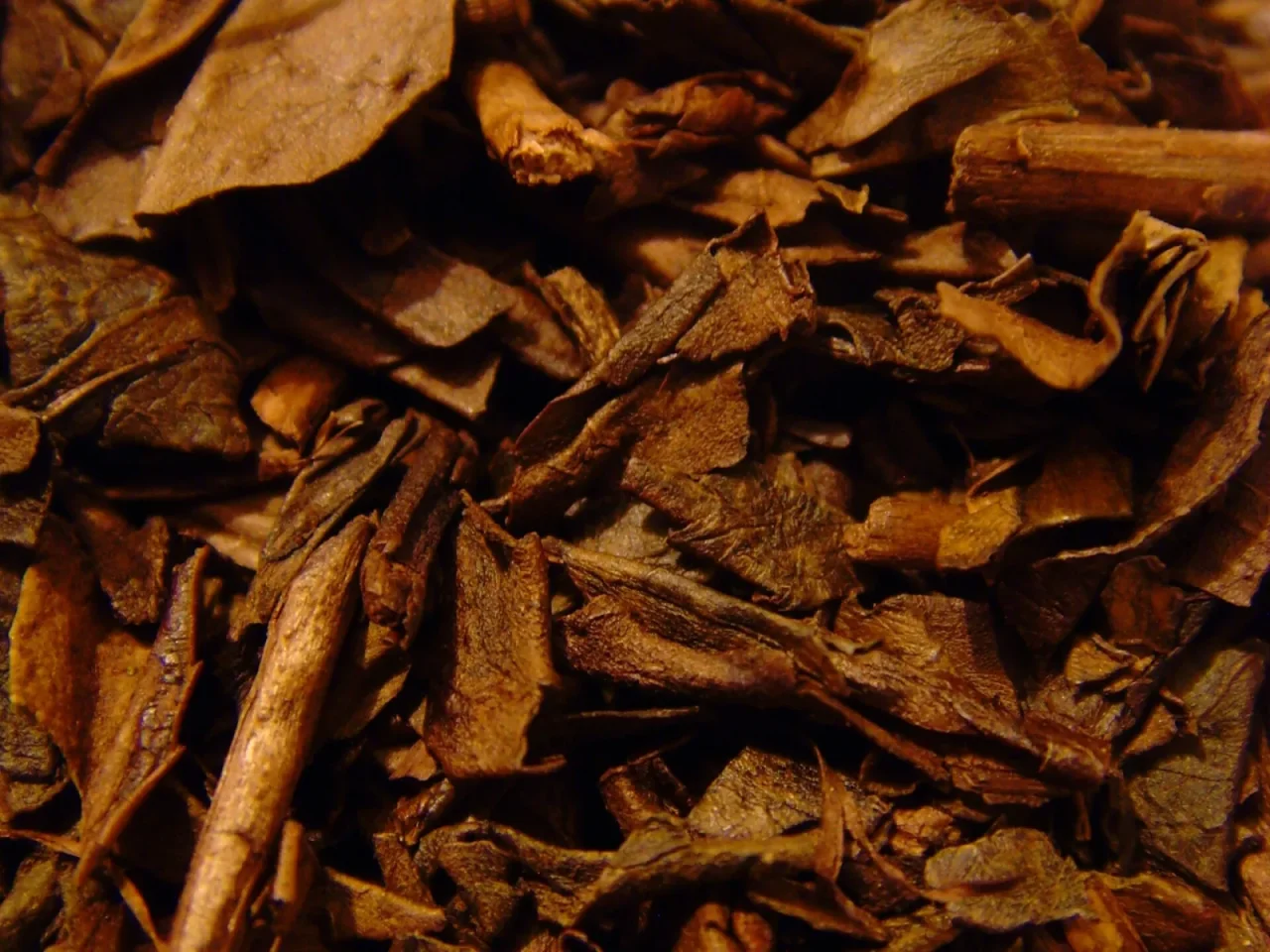
Hojicha is Japanese green tea roasted until the leaves turn brown. Roasting turns the flavour from grassy to toasty, and the tea brews amber rather than green. You can buy it as loose leaf for brewing or as a fine powder, which is what cafés use for hojicha lattes.
It is often sold as the low-caffeine alternative to matcha, but that is only partly true. Brewed the way Japan's agriculture ministry measures it, hojicha has as much caffeine as ordinary sencha. Per gram, it has less than matcha powder, and a weak, short brew is genuinely mild. The numbers below show why websites quote figures several times apart.
For comparison, a tablespoon of cocoa has about 12 mg of caffeine. Plain hojicha is free of the major allergens and suits almost every diet. Check latte mixes, which often add milk and sugar.
Is hojicha vegan, gluten-free or allergen-free?
| Diet | Suitable? | Why |
|---|---|---|
| Vegan | Yes | |
| Vegetarian | Yes | |
| Gluten-free | Yes | Plain hojicha leaf and powder are tea only. Do not confuse it with mugicha (barley tea), which is made from barley, a gluten grain. |
| Dairy-free | Yes | The tea is. Many instant latte mixes are not, so check for milk powder. |
| Nut-free | Yes | The toasty, nutty flavour comes from roasting. Flavoured blends are worth checking. |
| Soy-free | Yes | |
| Keto | Yes | Brewed tea has almost no carbohydrate. Powder has about 4 g per latte serving, half of it fibre. Milk and sweeteners are what add carbs. |
| Paleo | Yes | |
| Low FODMAP | It depends | We found no Monash rating for hojicha. Check the Monash app, and watch for high-FODMAP milks and sweeteners in lattes. |
Plain hojicha is just roasted tea leaves and contains none of the major allergens. Its "nutty" taste comes from roasting, not from nuts. The risk is in the extras. Instant latte sticks often contain milk: the Hoshino hojicha latte lists milk as an allergen while being labelled gluten-free. Café lattes add whatever milk you choose, and syrups or toppings may bring more.
Calories and nutrition in hojicha
| Nutrient | Per 2 tsp powder (5.5 g), one latte (5.5 g) | Per 100 g |
|---|---|---|
| Calories | 20 kcal | 364 kcal |
| Carbohydrates | 4 g | 72.7 g |
| Sugars | 0 g | 0 g |
| Fibre | 2 g | 36.4 g |
| Sodium | 0 mg | 0 mg |
Vitamins and minerals
| Nutrient | Per 100 g | % Daily Value per 5.5 g |
|---|---|---|
| Calcium | 418 mg | 2% |
| Potassium | 2309 mg | 3% |
"Rich in" means at least 20% of the adult Daily Value in one serving, and "good source" means at least 10%, following US label rules.
Worked out per 100 g from the per-serving label of Rishi organic houjicha powder (20 kcal, 4 g carbohydrate and 2 g fibre in 5.5 g). The label rounds small amounts, so these figures are approximate, and protein and fat are left out because they round to zero. Brewed hojicha, where the leaves are thrown away, has almost no calories.
Using hojicha in the kitchen
What hojicha tastes like
Roasting takes away most of the grassy, savoury taste of green tea. Brewed hojicha is amber-brown and smells toasty. It tastes mellow, with little bitterness, even if it sits in the pot. Rishi describes its powder as having notes of chocolate, caramel and roasted barley, which is a fair guide to what a hojicha latte tastes like. It does not taste like coffee or like matcha.
How to use hojicha
Brewed: use water just off the boil, about 90°C, and steep for about 30 seconds. Yamamotoyama suggests about 80 ml per person and a second steep of about a minute. If you want less caffeine, the same company suggests water at around 70°C and a short steep, or a deep-roasted hojicha. Latte: whisk 2 teaspoons (5.5 g) of hojicha powder with a little hot water until smooth, then top up with hot or cold milk. For a full dairy-free recipe, hot or iced, with powder or loose leaf, see our hojicha oat latte. Powder also works in baking, ice cream and puddings, where its roasted flavour stands up well to sugar and cream.
Substitutes for hojicha
| Substitute | How much | Best for |
|---|---|---|
| Genmaicha | Same amount of leaf | Green tea mixed with toasted rice. Similarly toasty, and listed at about half the caffeine of hojicha (10 mg per 100 ml). |
| Mugicha (roasted barley tea) | Same amount, steeped longer | Caffeine-free and roasty, but made from barley, so it is not gluten-free. |
| Matcha | 2 g (1 tsp) per latte | For lattes. Brighter, grassier and bitter, with far more caffeine per gram of powder. |
What to look for when buying hojicha
Decide first between leaf and powder. Loose leaf is for brewing: you drink the infusion and throw away the leaves. Powder is the whole leaf, milled, and you drink all of it. That is the version cafés use for lattes, and it changes the caffeine maths (see the questions below). For powder, the ingredients list should say only green tea. Rishi's reads "organic green tea". Latte mixes and sticks often add sugar and milk powder, so read the list if you avoid dairy. Compare price per gram: Rishi sells 100 g of powder for $77.50 in the US, about $4.30 per 5.5 g latte serving, before the milk.
Side effects and who should be careful
Hojicha contains caffeine, and how much depends on how you make it.
- Brewed the Japanese way: Japan's Ministry of Agriculture lists hojicha at 20 mg per 100 ml, the same as sencha. That is about 16 mg in an 80 ml Japanese teacup and about 48 mg in a 240 ml mug. The ministry's figure uses a lot of leaf (15 g in 650 ml) and a 30-second steep.
- Matcha for comparison: the same table gives 48 mg for 1.5 g of matcha powder in 70 ml of water. So a large, strong mug of hojicha can hold about as much caffeine as a small bowl of matcha.
- Powder: no official figure exists. Soar Organics says its powder has about 5 to 10 mg per ½ teaspoon. If a 2-teaspoon latte powder were similar, that would be roughly 20 to 40 mg, but brands differ.
For pregnancy, the European, UK, Australian and New Zealand advice in the ministry's table is no more than 200 mg of caffeine a day, and the WHO and Canada say 300 mg. The European advice for children is no more than 3 mg per kg of body weight a day. Yamamotoyama, a Japanese tea maker, also advises pregnant women, people with insomnia and people sensitive to caffeine to take care with hojicha.
Where hojicha comes from
Hojicha is green tea that has been roasted at high heat until it turns golden brown. Makers usually start with sencha or bancha, a later-picked grade with tougher, more mature leaves and stems, according to the Japanese tea company Yamamotoyama. Outside Japan it is following matcha onto café menus, now usually as a latte. In the UK, the London matcha chain Jenki sold 55% more hojicha lattes between January and April 2026 than in the same months a year before, the BBC reported, as summarised by The Week. Some of the appeal is price: matcha has become much more expensive since 2024.
Questions about hojicha
Why do websites say hojicha has only 8 mg of caffeine?
A figure of about 7.7 mg per cup has been repeated by magazines such as The Week, quoting another magazine, with no lab test named. Japan's official food data puts brewed hojicha at 20 mg per 100 ml. A very weak, quick brew can be low, but a typical mug is not.
Does hojicha powder have more caffeine than brewed hojicha?
Gram for gram of tea used, yes, because you drink the whole leaf instead of an infusion. In practice it depends on how much powder goes in the cup and how much leaf goes in the pot.
Can I drink hojicha at night?
It has less caffeine than coffee, but it is not caffeine-free. If caffeine keeps you awake, brew a small cup with cooler water and a short steep, or switch to roasted barley tea, which has none.
Is a hojicha latte gluten-free?
The tea is. The milk decides the rest: oat milk is only safe for coeliacs when it is labelled gluten-free, and syrups and toppings need checking too.
Is hojicha the same as genmaicha?
No. Hojicha is roasted tea leaves and stems. Genmaicha is green tea mixed with toasted brown rice. Japan's ministry lists genmaicha at about half the caffeine of hojicha.
Recipes with hojicha
Breakfast · Snack · Vegan · Vegetarian · Dairy free · Nut free
Hojicha Oat Latte (Powder or Loose Leaf)
Sources
- Ministry of Agriculture, Forestry and Fisheries (Japan): Caffeine in foods and intake guidance (in Japanese)
- Yamamotoyama: Is hojicha low in caffeine? (December 2024)
- Rishi Tea: Organic Houjicha Powder (ingredients, nutrition and preparation)
- Soar Organics: How much caffeine is in hojicha powder?
- Bokksu: Hoshino Hojicha Latte (allergen listing)
- The Week: Hojicha, matcha's toasty cousin (May 2026)
- Monash FODMAP: Avoiding wheat on a low FODMAP diet (gluten grains)
Last fact-checked 23 November 2026.
General information only, not medical advice. If you have an allergy or a health condition, check with your doctor or dietitian.