Monk Fruit Sweetener: Mostly Erythritol?
Monk fruit extract is intensely sweet, so packs use very little of it. Most granulated monk fruit sweeteners are about 99% erythritol, which matters for FODMAPs.
Siraitia grosvenorii · Also called luo han guo, monk fruit extract, mogrosides
Suitable for
- Vegan: yes
- Vegetarian: yes
- Dairy-free: yes
- Keto: it depends
- Low FODMAP: it depends
Contains
None of the major allergens as an ingredient
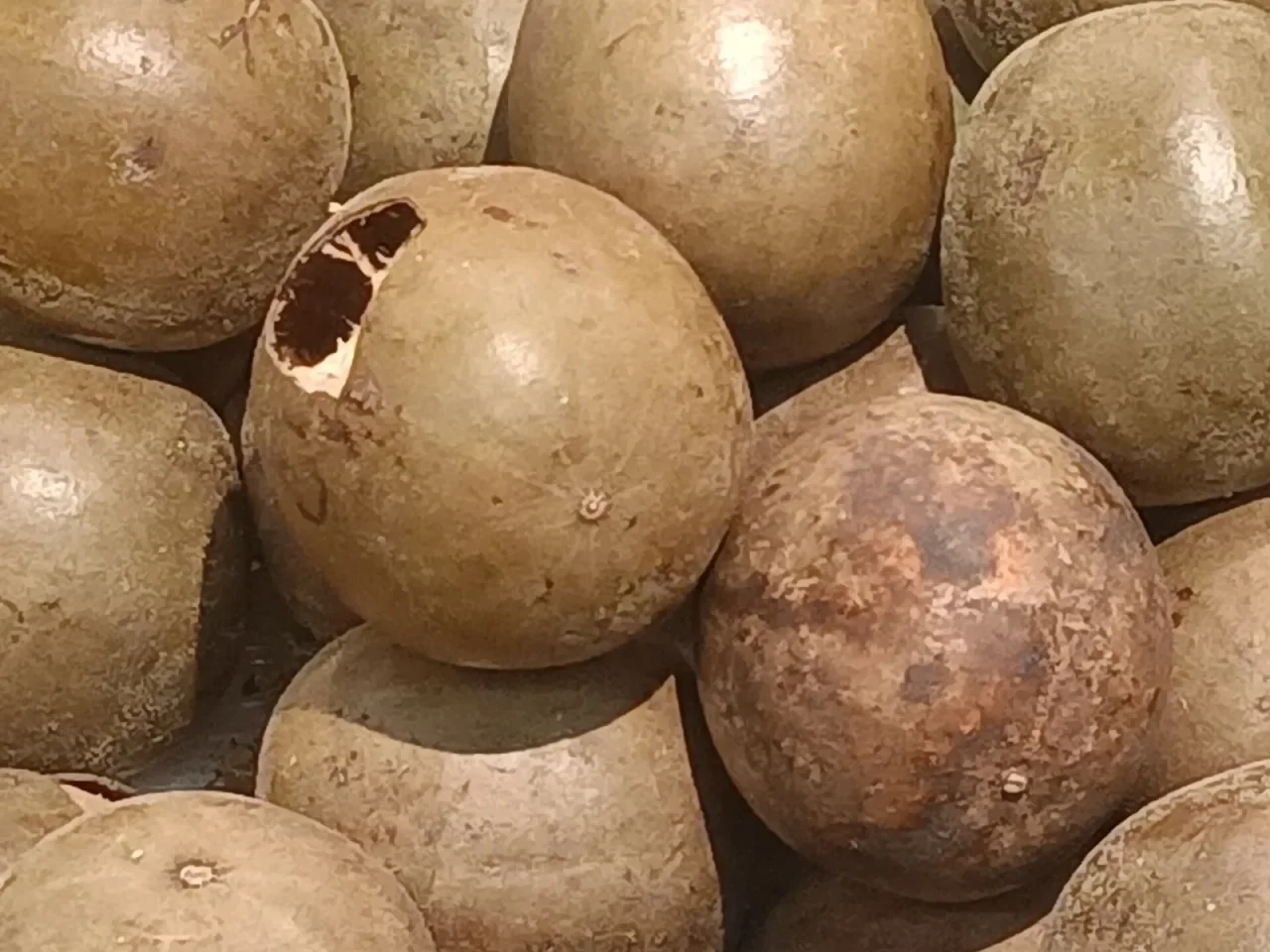
Monk fruit, or luo han guo, is a small round melon from southern China. Its sweet compounds, called mogrosides, are so strong that a sweetener needs only a trace of the extract.
So the bag labelled "monk fruit" is usually mostly erythritol, and sometimes allulose. That matters if you avoid polyols or follow a low FODMAP diet. Pure extract drops are the exception.
Is monk fruit vegan, gluten-free or allergen-free?
| Diet | Suitable? | Why |
|---|---|---|
| Vegan | Yes | Common blends use plant-based erythritol or allulose. |
| Vegetarian | Yes | |
| Dairy-free | Yes | |
| Keto | It depends | Granulated blends suit keto. One liquid blend we found lists agave nectar first. |
| Low FODMAP | It depends | Most blends are erythritol, a polyol Monash names as a FODMAP. Pure drops avoid it. |
Using monk fruit in the kitchen
What monk fruit tastes like
Clean and very sweet. Some people notice a fruity or slightly bitter finish in larger amounts.
How to use monk fruit
Granulated blends are made to swap for sugar in drinks and baking. Liquid drops work in coffee, tea and dressings.
Substitutes for monk fruit
| Substitute | How much | Best for |
|---|---|---|
| Stevia | Follow the pack's guide | Similar use. Also often blended with erythritol. |
| Erythritol | Follow the pack's guide | Usually the main ingredient anyway. |
| Allulose | Follow the pack's guide | Browns like sugar. Some monk fruit blends already use it. |
What to look for when buying monk fruit
How much monk fruit is in it? Consumer NZ could not find a spoon-for-spoon monk fruit sweetener with more than 1% monk fruit. Erythritol was the main ingredient in each case. In Open Food Facts listings we checked:
- Lakanto Classic, Splenda Monk Fruit and Great Value Monk Fruit & Erythritol list erythritol first.
- Lakanto Golden with allulose uses allulose instead of erythritol.
- A Whole Earth stevia and monk fruit liquid lists organic agave nectar first, which makes it a sugar syrup.
- Lakanto drops and NOW organic liquid are monk fruit extract in water.
If you avoid erythritol, choose drops or an allulose blend.
Side effects and who should be careful
Monk fruit extract has been through several US GRAS notices, and the FDA has not questioned them. No acceptable daily intake has been set for it. Because most products are mainly erythritol, also read the erythritol page.
Questions about monk fruit
Does monk fruit raise blood sugar?
The extract is used in tiny amounts and is not counted as sugar. Check blends: one liquid product we found lists agave nectar first.
Can monk fruit sweetener cause diarrhoea?
The monk fruit is unlikely to. Most granulated blends are mostly erythritol, and large amounts of polyols can upset the gut.
Is monk fruit better than stevia?
They are used the same way, and both are usually mixed with erythritol. Taste is the main difference, so try both.
Sources
- Consumer NZ: How much monk fruit is in your monk fruit sweetener? (2026)
- FDA: Aspartame and Other Sweeteners in Food
- Monash University: High and low FODMAP foods
- Open Food Facts: Lakanto Monk Fruit Sweetener Classic
- Open Food Facts: Whole Earth Stevia & Monk Fruit Liquid
Last fact-checked 12 November 2026.
General information only, not medical advice. If you have an allergy or a health condition, check with your doctor or dietitian.
Similar ingredients

Sweeteners
Agave Nectar
Agave nectar is a vegan syrup from the agave plant. Most of its sugar is fructose, so it is not a low FODMAP or keto choice, despite its health image.
- Vegan: yes
- Gluten-free: yes
- Dairy-free: yes
Sweeteners
Allulose
Allulose is a rare sugar that browns like sugar but has 0.4 kcal per gram. US labels leave it out of sugars, but EFSA could not confirm its safety in 2025.
- Vegan: yes
- Dairy-free: yes
Sweeteners
Coconut Sugar
Coconut sugar is dried coconut-blossom sap. It is vegan and swaps 1:1 for sugar, but it is still sugar and is low FODMAP only at about one teaspoon.
- Vegan: yes
- Gluten-free: yes
- Dairy-free: yes
Sweeteners
Erythritol
Erythritol is a sugar alcohol with almost no calories, used in most stevia and monk fruit blends. A 2023 study linked high blood levels to heart events.
- Vegan: yes
- Dairy-free: yes
Sweeteners
Honey
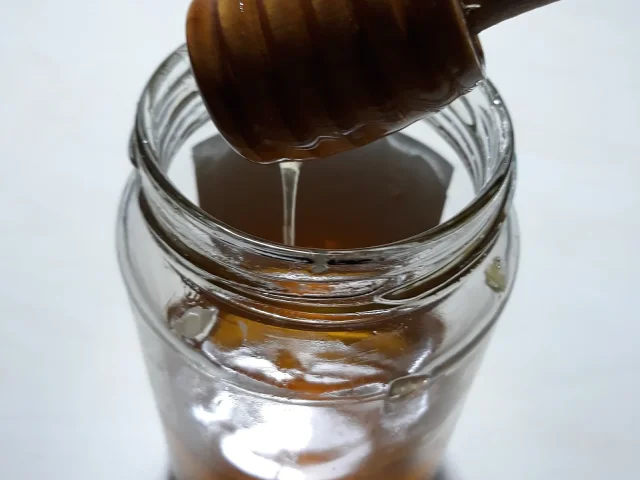
Honey is a bee-made syrup that is about 41% fructose by weight. It is not vegan, it is high FODMAP, and it is not safe for babies under one.
- Vegan: no
- Gluten-free: yes
- Dairy-free: yes
Sweeteners
Stevia
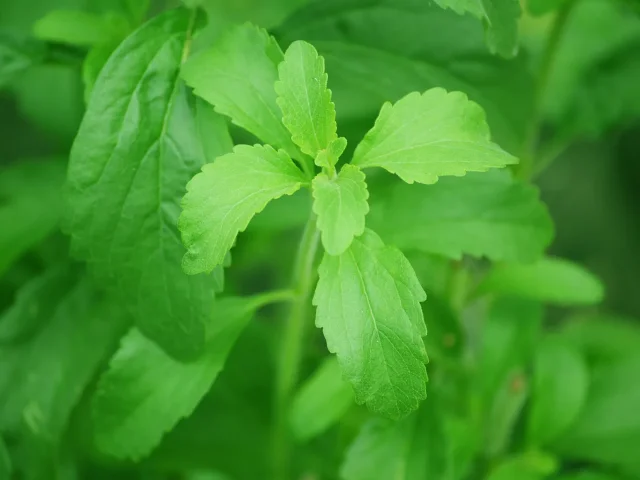
Stevia sweeteners use purified steviol glycosides, but most packs are mainly erythritol, dextrose or maltodextrin. Some tablets even contain milk.
- Vegan: it depends
- Gluten-free: yes
- Dairy-free: it depends
Sweeteners
Sugar
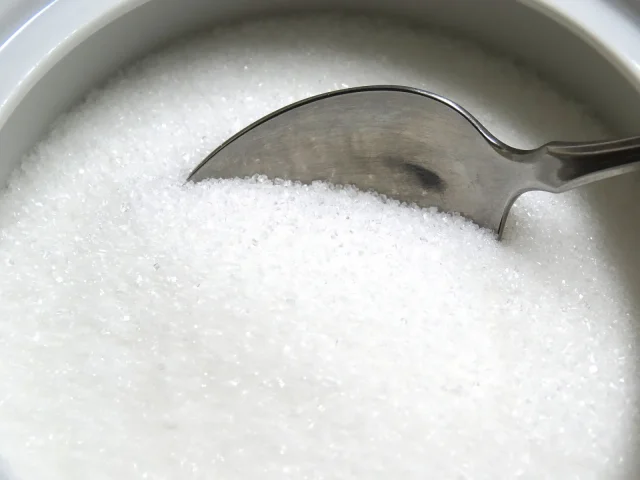
White sugar is sucrose from sugar cane or sugar beet. It is gluten-free and low FODMAP, but some cane sugar is filtered through animal bone char.
- Vegan: it depends
- Gluten-free: yes
- Dairy-free: yes
Sweeteners
Syrups
Pure maple syrup is vegan, gluten-free and low FODMAP. Pancake syrup is mostly corn syrup, and brown rice syrup can carry arsenic. Compare them here.
- Vegan: yes
- Gluten-free: yes
- Dairy-free: yes

Sweeteners
Xylitol
Xylitol is a sugar alcohol in sugar-free gum and sweeteners. It has 2.4 kcal per gram, can upset the gut, and is very dangerous for dogs, even in small amounts.
- Vegan: yes
- Dairy-free: yes