Xylitol: Safe for You, Dangerous for Dogs
Xylitol is a sugar alcohol in sugar-free gum and sweeteners. It has 2.4 kcal per gram, can upset the gut, and is very dangerous for dogs, even in small amounts.
Also called birch sugar, E967, sugar alcohol
Suitable for
- Vegan: yes
- Vegetarian: yes
- Dairy-free: yes
- Keto: it depends
- Low FODMAP: no
Contains
None of the major allergens as an ingredient
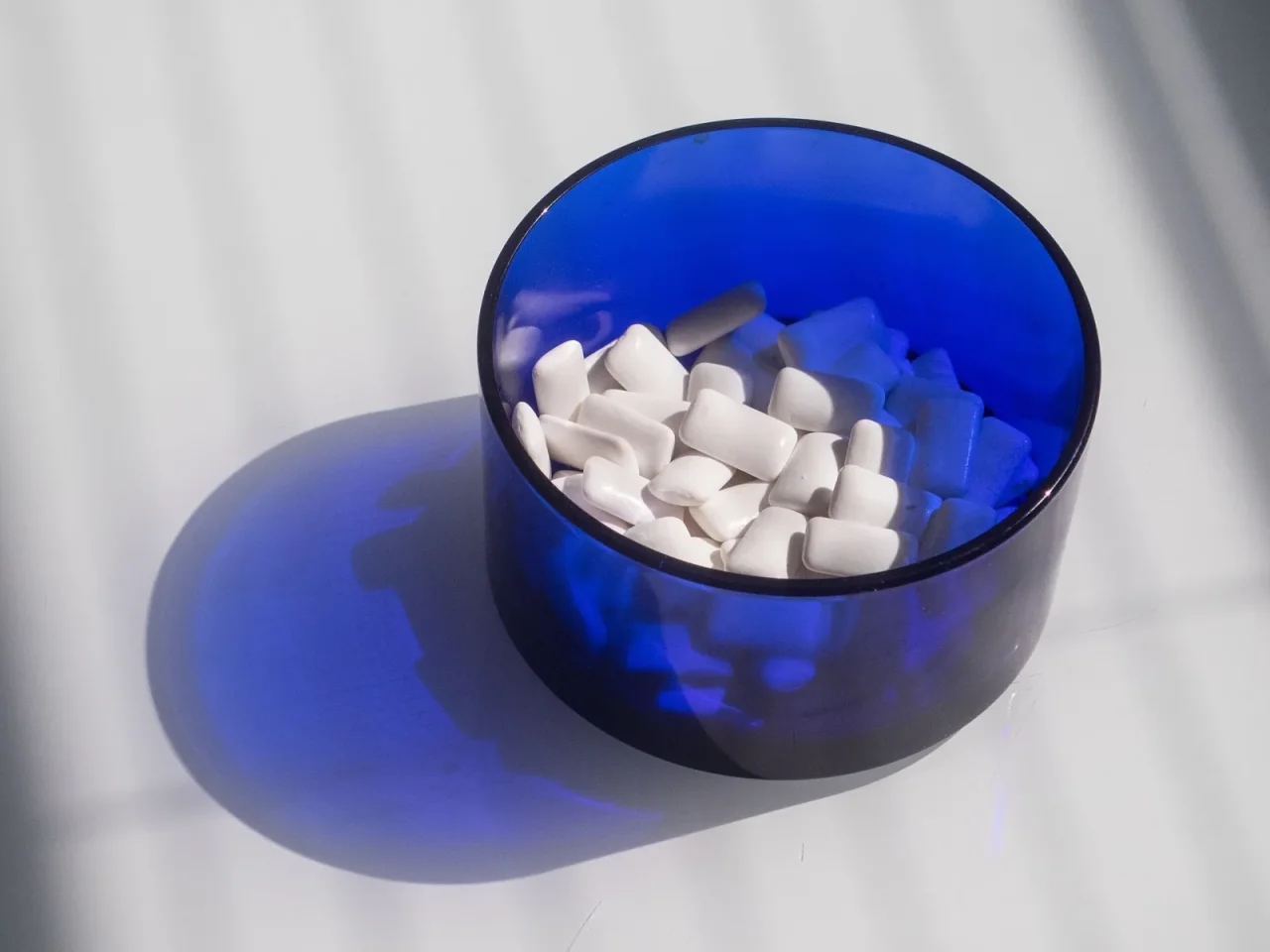
Xylitol is a sugar alcohol that tastes almost exactly like sugar and has about 40% fewer calories. It is best known from sugar-free chewing gum and mints.
For people it is mainly a question of tolerance: like other polyols, too much upsets the gut, and it is high FODMAP. For dogs it is a poison, so the most useful thing on this page may be the safety section.
Is xylitol vegan, gluten-free or allergen-free?
| Diet | Suitable? | Why |
|---|---|---|
| Vegan | Yes | Made from plant material such as birch or corn cobs. |
| Vegetarian | Yes | |
| Dairy-free | Yes | |
| Keto | It depends | It has calories, unlike erythritol. Small amounts may fit. |
| Low FODMAP | No | Monash names xylitol among the polyol FODMAPs. |
Calories and nutrition in xylitol
| Nutrient | Per 1 tsp (4 g) | Per 100 g |
|---|---|---|
| Calories | 10 kcal | 240 kcal |
| Protein | 0 g | 0 g |
| Carbohydrates | 4 g | 100 g |
| Sugars | 0 g | 0 g |
| Fat | 0 g | 0 g |
Label for Pure Via 100% xylitol in Open Food Facts. Xylitol is usually counted at 2.4 kcal per gram.
Using xylitol in the kitchen
What xylitol tastes like
Tastes very close to sugar, with a slight cooling feel.
How to use xylitol
Spoon for spoon with sugar in drinks and many bakes, though yeast cannot feed on it, so it does not work in bread dough.
Substitutes for xylitol
| Substitute | How much | Best for |
|---|---|---|
| Erythritol | Follow the pack's guide | Fewer calories and usually easier on the gut. |
| Allulose | Follow the pack's guide | Browns like sugar. Not authorised everywhere. |
| Sugar | Same amount | If you can have it, and safe around pets. |
How to store xylitol
Keep it sealed and well away from pets, including gum in bags and coat pockets.
What to look for when buying xylitol
Sugar-free gum, mints, toothpaste and some nut butters can contain xylitol, as the FDA lists. "Birch sugar" on a label is xylitol.
Side effects and who should be careful
Dogs: xylitol can make a dog's blood sugar crash within 10 to 60 minutes, according to the FDA. Signs include vomiting, weakness, staggering, collapse and seizures. Call a vet or animal poison line straight away if a dog eats any.
Heart study: in a 2024 study of 2,149 US heart patients, the third with the highest blood xylitol had a 57% higher risk of heart attack, stroke or death over three years than the lowest third. It was observational and cannot prove cause. In 10 healthy volunteers, one xylitol drink raised blood levels and made platelets clot more readily.
Gut: large amounts cause wind and loose stools.
Questions about xylitol
How much xylitol is dangerous for a dog?
Treat any amount as an emergency. The FDA says it can cause a sharp drop in blood sugar within an hour, so call a vet straight away.
Is xylitol bad for you?
It is approved as a sweetener, but large amounts upset the gut, and a 2024 study linked high blood levels with heart events. That study cannot prove cause.
Does xylitol raise blood sugar?
Much less than sugar, but it does provide calories and some carbohydrate, unlike erythritol.
Sources
- FDA: Paws Off Xylitol; It's Dangerous for Dogs
- Witkowski et al., Xylitol is prothrombotic and associated with cardiovascular risk (European Heart Journal, 2024)
- Monash University: High and low FODMAP foods
- Open Food Facts: Pure Via 100% xylitol
Last fact-checked 12 November 2026.
General information only, not medical advice. If you have an allergy or a health condition, check with your doctor or dietitian.
Similar ingredients

Sweeteners
Agave Nectar
Agave nectar is a vegan syrup from the agave plant. Most of its sugar is fructose, so it is not a low FODMAP or keto choice, despite its health image.
- Vegan: yes
- Gluten-free: yes
- Dairy-free: yes
Sweeteners
Allulose
Allulose is a rare sugar that browns like sugar but has 0.4 kcal per gram. US labels leave it out of sugars, but EFSA could not confirm its safety in 2025.
- Vegan: yes
- Dairy-free: yes
Sweeteners
Coconut Sugar
Coconut sugar is dried coconut-blossom sap. It is vegan and swaps 1:1 for sugar, but it is still sugar and is low FODMAP only at about one teaspoon.
- Vegan: yes
- Gluten-free: yes
- Dairy-free: yes
Sweeteners
Erythritol
Erythritol is a sugar alcohol with almost no calories, used in most stevia and monk fruit blends. A 2023 study linked high blood levels to heart events.
- Vegan: yes
- Dairy-free: yes
Sweeteners
Honey
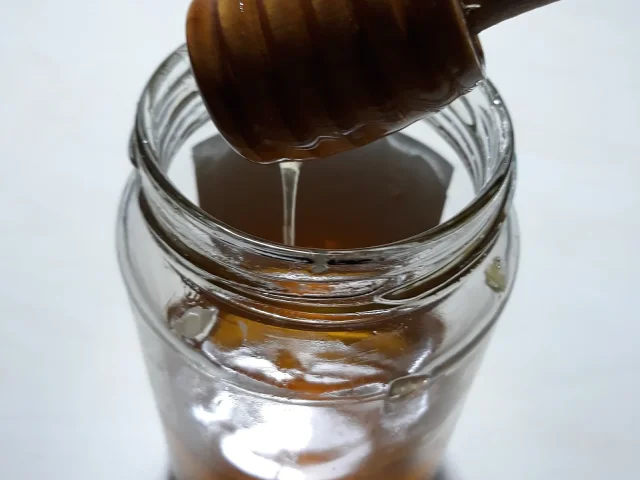
Honey is a bee-made syrup that is about 41% fructose by weight. It is not vegan, it is high FODMAP, and it is not safe for babies under one.
- Vegan: no
- Gluten-free: yes
- Dairy-free: yes

Sweeteners
Monk Fruit
Monk fruit extract is intensely sweet, so packs use very little of it. Most granulated monk fruit sweeteners are about 99% erythritol, which matters for FODMAPs.
- Vegan: yes
- Dairy-free: yes
Sweeteners
Stevia
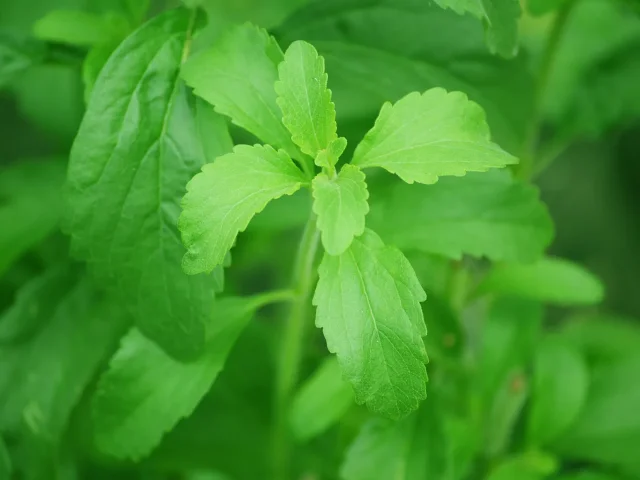
Stevia sweeteners use purified steviol glycosides, but most packs are mainly erythritol, dextrose or maltodextrin. Some tablets even contain milk.
- Vegan: it depends
- Gluten-free: yes
- Dairy-free: it depends
Sweeteners
Sugar
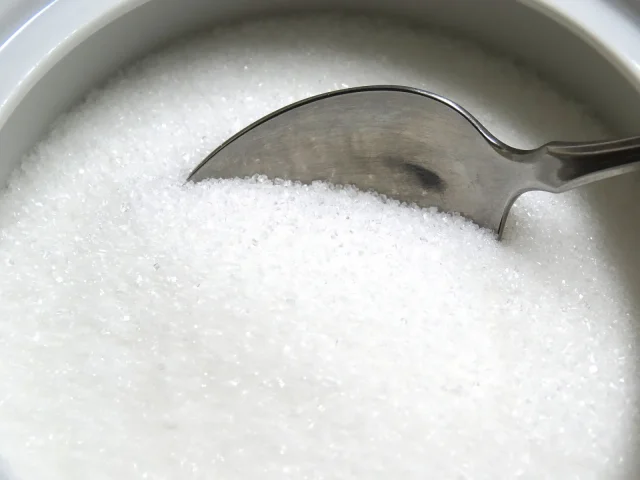
White sugar is sucrose from sugar cane or sugar beet. It is gluten-free and low FODMAP, but some cane sugar is filtered through animal bone char.
- Vegan: it depends
- Gluten-free: yes
- Dairy-free: yes
Sweeteners
Syrups
Pure maple syrup is vegan, gluten-free and low FODMAP. Pancake syrup is mostly corn syrup, and brown rice syrup can carry arsenic. Compare them here.
- Vegan: yes
- Gluten-free: yes
- Dairy-free: yes