Stevia Sweeteners: What Is Really in the Pack
Stevia sweeteners use purified steviol glycosides, but most packs are mainly erythritol, dextrose or maltodextrin. Some tablets even contain milk.
Stevia rebaudiana · Also called stevia leaf extract, steviol glycosides, Reb A, Reb M, E960
Suitable for
- Vegan: it depends
- Gluten-free: yes
- Dairy-free: it depends
- Keto: it depends
- Low FODMAP: it depends
Contains
None of the major allergens as an ingredient · Some tablets contain milk (lactose)
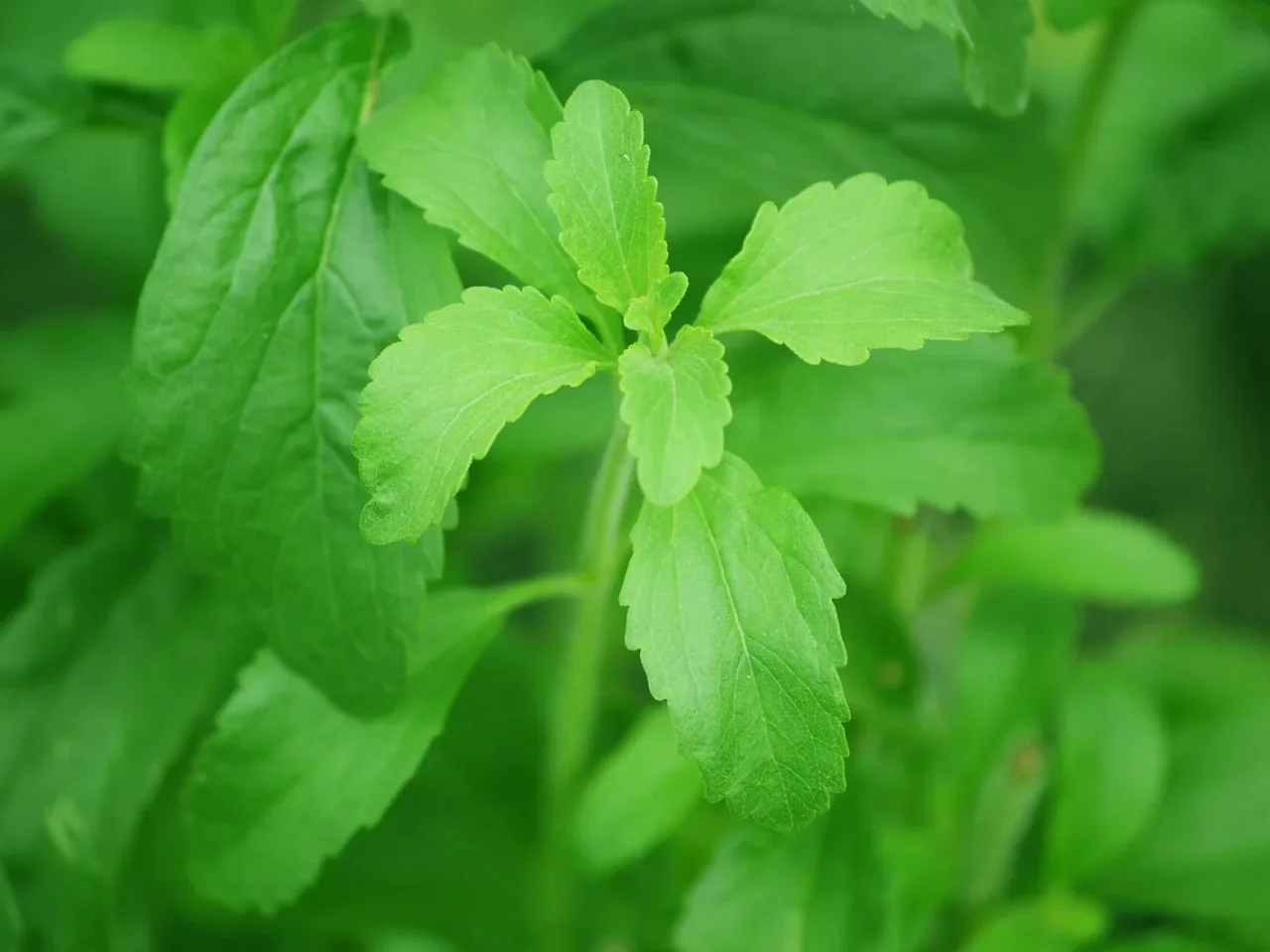
Stevia sweeteners come from the leaves of Stevia rebaudiana, a plant from South America. The sweet compounds, called steviol glycosides, are hundreds of times sweeter than sugar, so they are purified and sold in tiny amounts.
That is why a stevia pack is mostly something else. The stevia is fine for most diets. The filler, often erythritol, dextrose, maltodextrin or even lactose, decides whether the product suits you.
Is stevia vegan, gluten-free or allergen-free?
| Diet | Suitable? | Why |
|---|---|---|
| Vegan | It depends | Some tablets use lactose from milk as the filler. |
| Gluten-free | Yes | |
| Dairy-free | It depends | Check tablets for lactose. |
| Keto | It depends | Fine with erythritol blends. Dextrose or maltodextrin fillers are sugars. |
| Low FODMAP | It depends | Many blends are mostly erythritol, a polyol Monash names as a FODMAP. |
Stevia itself is not a major allergen, but the filler can be. In Open Food Facts, a Pure Via stevia tablet lists lactose (milk) as its first ingredient.
Using stevia in the kitchen
What stevia tastes like
Very sweet, with a liquorice-like or bitter aftertaste for some people, especially in larger amounts.
How to use stevia
Drops and tablets suit drinks. For baking, use a spoon-for-spoon blend, because pure extract is too strong to measure and gives no bulk.
Substitutes for stevia
| Substitute | How much | Best for |
|---|---|---|
| Monk fruit sweetener | Follow the pack's guide | Similar zero-calorie use. Usually also mostly erythritol. |
| Erythritol | Follow the pack's guide | The bulk in many stevia blends, without the aftertaste. |
| Allulose | Follow the pack's guide | Browns and behaves more like sugar in baking. |
What to look for when buying stevia
Read the first ingredient. Stevia extract is so sweet that only a tiny amount is needed, so the rest of the pack is a filler. In Open Food Facts listings we checked:
- Truvia and Great Value No Calorie Stevia list erythritol first.
- Stevia In The Raw packets list dextrose first, and the bakers bag lists maltodextrin. Both are sugars from starch.
- A French Pure Via tablet lists lactose, which is milk sugar.
- Pyure organic extract lists only stevia leaf extract.
If you are keto, dairy-free or low FODMAP, the filler matters more than the stevia.
Side effects and who should be careful
The FDA does not object to high-purity (at least 95%) steviol glycosides as safe. It does not allow stevia leaf or crude extracts to be used as sweeteners. The acceptable daily intake is 4 mg per kg of body weight, measured as steviol, which is far above what a few sachets provide.
Questions about stevia
Is stevia keto?
Pure stevia extract is. Many packets use dextrose or maltodextrin as filler, and those are sugars, so check the first ingredient.
How much stevia is safe per day?
The acceptable daily intake is 4 mg of steviol per kg of body weight. Normal use in drinks stays well below that.
Can stevia cause bloating?
Stevia extract is used in tiny amounts. Bloating more often comes from fillers such as erythritol in blends, so check the label.
Sources
- FDA: Aspartame and Other Sweeteners in Food
- Monash University: High and low FODMAP foods
- Open Food Facts: Truvia Stevia Leaf
- Open Food Facts: Stevia In The Raw
- Open Food Facts: Pure Via Stevia tablets
Last fact-checked 12 November 2026.
General information only, not medical advice. If you have an allergy or a health condition, check with your doctor or dietitian.
Similar ingredients

Sweeteners
Agave Nectar
Agave nectar is a vegan syrup from the agave plant. Most of its sugar is fructose, so it is not a low FODMAP or keto choice, despite its health image.
- Vegan: yes
- Gluten-free: yes
- Dairy-free: yes
Sweeteners
Allulose
Allulose is a rare sugar that browns like sugar but has 0.4 kcal per gram. US labels leave it out of sugars, but EFSA could not confirm its safety in 2025.
- Vegan: yes
- Dairy-free: yes
Sweeteners
Coconut Sugar
Coconut sugar is dried coconut-blossom sap. It is vegan and swaps 1:1 for sugar, but it is still sugar and is low FODMAP only at about one teaspoon.
- Vegan: yes
- Gluten-free: yes
- Dairy-free: yes
Sweeteners
Erythritol
Erythritol is a sugar alcohol with almost no calories, used in most stevia and monk fruit blends. A 2023 study linked high blood levels to heart events.
- Vegan: yes
- Dairy-free: yes
Sweeteners
Honey
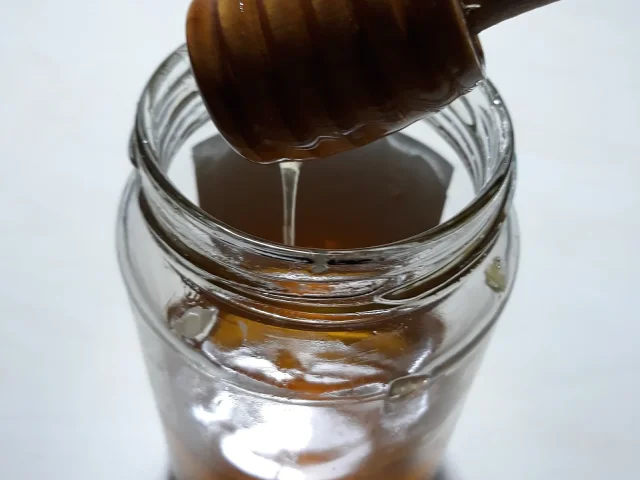
Honey is a bee-made syrup that is about 41% fructose by weight. It is not vegan, it is high FODMAP, and it is not safe for babies under one.
- Vegan: no
- Gluten-free: yes
- Dairy-free: yes
Sweeteners
Monk Fruit
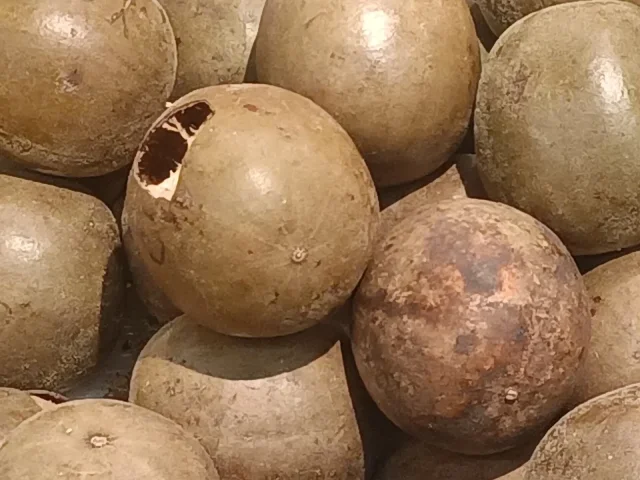
Monk fruit extract is intensely sweet, so packs use very little of it. Most granulated monk fruit sweeteners are about 99% erythritol, which matters for FODMAPs.
- Vegan: yes
- Dairy-free: yes
Sweeteners
Sugar
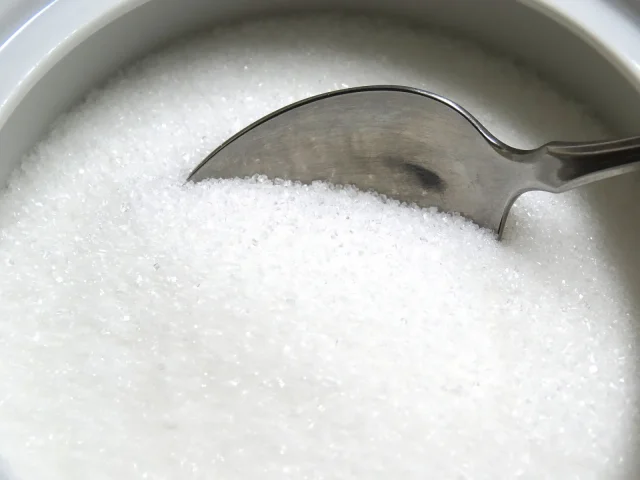
White sugar is sucrose from sugar cane or sugar beet. It is gluten-free and low FODMAP, but some cane sugar is filtered through animal bone char.
- Vegan: it depends
- Gluten-free: yes
- Dairy-free: yes
Sweeteners
Syrups
Pure maple syrup is vegan, gluten-free and low FODMAP. Pancake syrup is mostly corn syrup, and brown rice syrup can carry arsenic. Compare them here.
- Vegan: yes
- Gluten-free: yes
- Dairy-free: yes

Sweeteners
Xylitol
Xylitol is a sugar alcohol in sugar-free gum and sweeteners. It has 2.4 kcal per gram, can upset the gut, and is very dangerous for dogs, even in small amounts.
- Vegan: yes
- Dairy-free: yes